
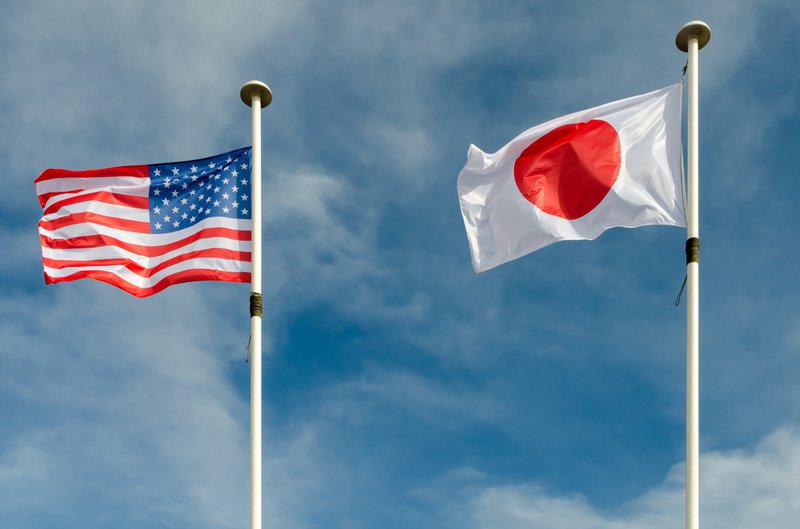
Deru kugi wa utareru
The nail that sticks out gets hammered down.
Read the air.
Kūki o Yomu
High-context and Low-context cultures
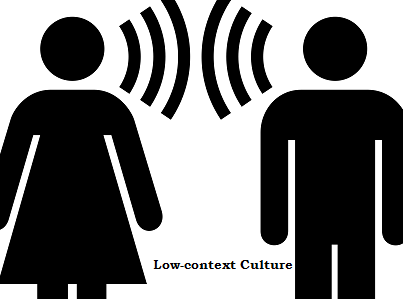
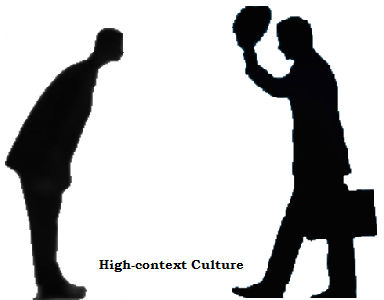
In Beyond Culture (1976), Edward Hall introduces the concept of high-context and low-context cultures. According to Hall, high-context cultures are characterized by close interpersonal relationships, where individuals are deeply connected. These intimate relationships foster a structured social hierarchy, require individuals to maintain strong self-control over their emotions, and facilitate communication through simple yet deeply meaningful messages.
Conversely, low-context cultures prioritize individuality, often resulting in a sense of alienation and fragmentation. In such cultures, there is less interpersonal involvement, and social hierarchies exert minimal influence on individuals’ lives. Communication tends to be explicit, direct, and impersonal.
Japan is considered a “high context” culture whereby people communicate based on inherent understanding whereas the United States is considered a “low context” culture where explicit communication is prioritized (Jabr 2000; Ueltschy et al. 2007). The most commonly cited rationale for the differences in contexts is the differing relationships of the two nations to collectivism versus individualism.
Individualism and Collectivism
The United States is often characterized by its highly individualistic culture, as exemplified by the ideals of the “American Dream” and the archetype of the Western cowboy. In the American imagination, the cowboy embodies the spirit of freedom tied to the open range. Roaming vast expanses of land, seemingly unbound by societal constraints, the cowboy symbolizes independence and the ability to forge one’s own path. Their horseback mobility represents autonomy, a hallmark of the American ideal of personal liberty.
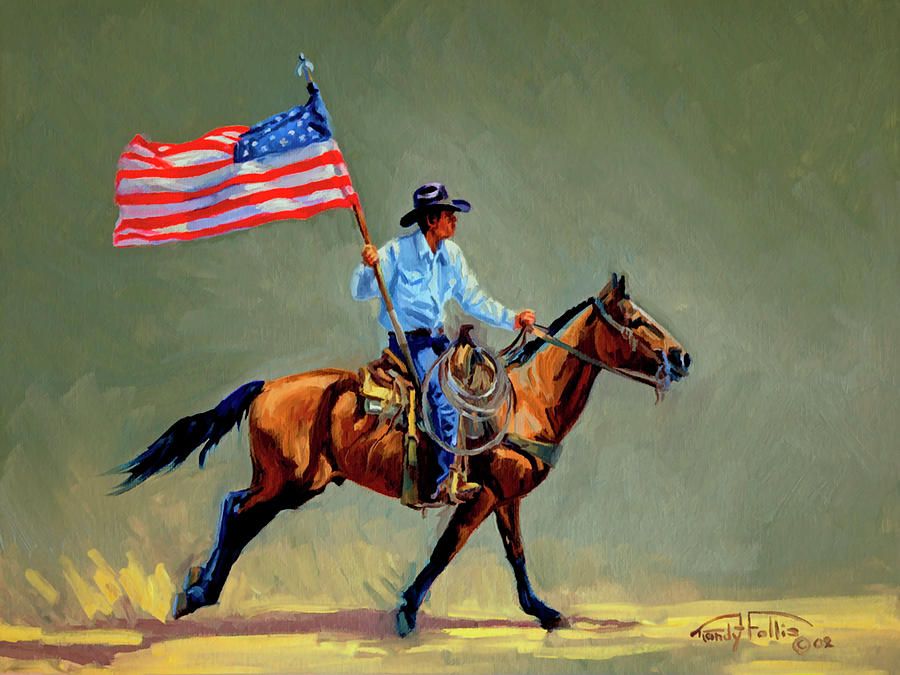
This romanticized vision portrays cowboys as masters of their destiny, free to pursue opportunities in the untamed West. Such imagery reinforces the notion of America as a land of endless possibilities and individual achievement. Moreover, the cowboy’s role in “taming” the frontier became associated with the broader expansion of American freedom and democracy. Their mythologized exploits were interwoven with narratives of national progress and the ideology of Manifest Destiny.
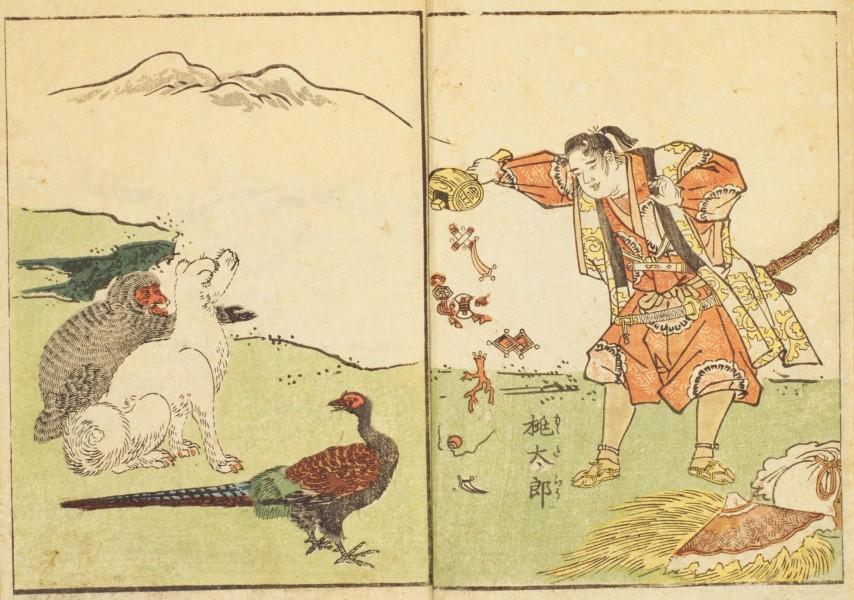
In contrast, Japan places a strong emphasis on collectivism. According to Hofstede Insights (2018), Japan scores 46 on the Individualism scale, compared to the United States’ score of 91. This indicates that Japan prioritizes group harmony over individual expression. A cultural example that illustrates this value is the children’s story Momotaro.
Momotaro follows the tale of a boy born from a peach, whose name translates to “Peach Boy.” Gifted as a fighter, Momotaro is tasked with defeating the demons that threaten his village. A key aspect of the story is his collaboration with animals he befriends along his journey, who aid him in overcoming his foes. While Momotaro’s strength and skill are significant, his success hinges on unity and cooperation, reflecting Japan’s cultural emphasis on collective effort over individual heroism.
Attitudes Towards Work
In Chang’s (1993) article, “The Japanese View of Business and Work”, he explains that the Japanese view of work emphasizes diligence, and that this emphasis is deeply rooted in religion, philosophy, and culture, evolving significantly from the Tokugawa Era through the Meiji Era to the modern postwar period. Eighteenth-century philosopher Baigan Ishida, drawing from a natural law perspective, extolled the virtues of work and management in a manner reminiscent of Max Weber’s “spirit of capitalism.” Ishida emphasized thrift, honesty, sincerity, rationality, and service as paramount virtues.


Additionally, Confucian-influenced samurai ideals played a pivotal role in shaping the mindset of Meiji-era entrepreneurs. Figures such as Eiichi Shibusawa championed principles of independence, autonomy, the integration of morality and economy, rationalism, and social responsibility. These ideals have profoundly influenced Japan’s approach to work and economic development, leaving a lasting legacy on its ethos of diligence and industriousness.
The United States, with its puritan roots, is notorious for its ‘grind’ and ‘hustle’ culture. These roots can be traced back to the Protestant Reformation. Martin Luther introduced the concept of a “calling” suggested that an occupation was a job given by God and a sacred duty. The Puritans expanded upon this conception–profit was praised as a moral and spiritual achievement where the road to riches coincided with the road to virtue. As a result, a spiritual revolution of occupation ethics laid the groundwork for the technological advances of the industrial
revolution.
The global spread of grind culture, fueled by the ongoing expansion of capitalism, has significant health consequences, particularly in countries like the United States and Japan. Notably, the United States, with its historical influence over Japan, has played a role in shaping labor practices.
Management expert Jeffrey Pfeffer, in his book Dying for a Paycheck: How Modern Management Harms Employee Health and Company Performance — and What We Can Do About It (2018), highlights the severe health risks associated with the American work culture. Pfeffer reports that workplace environments in the United States are responsible for an estimated 120,000 excess deaths annually and contribute approximately $180 billion in additional healthcare expenses, about 8% of total healthcare spending. A survey by OnePoll of 2,000 U.S. employees found that 48% identify as workaholics, with 58% admitting to checking emails from bed and 22% doing so in the middle of the night.
In Japan, the term “karoshi” has emerged to describe death caused by overwork, including work-related heart attacks, strokes, and suicides. This grim phenomenon underscores the shared health consequences of grind culture in both nations, revealing its profound human costs.
Intersections of Exploitation: Race, Gender, and Migration.


Both Japan and the United States have a history of exploiting women’s labor, both in the workplace and with the “second shift” (Hochschild 1989). More broadly, it has been argued that the nations themselves rely on exploitation of women in order to build their economies through promoting DIY societies and to fill systemic care gaps (Lukács 2020; Calarco 2024).
Moreover, women workers, particularly women of color, experience multiple types of inequality within the paid labor force, including racial wage gaps and occupational segregation (Department of Labor 2024). In 2023, Black women lost $42.7 billion and Hispanic women lost $53.3 billion in wages compared to white men due to segregation by occupation and industry (Department of Labor 2024).
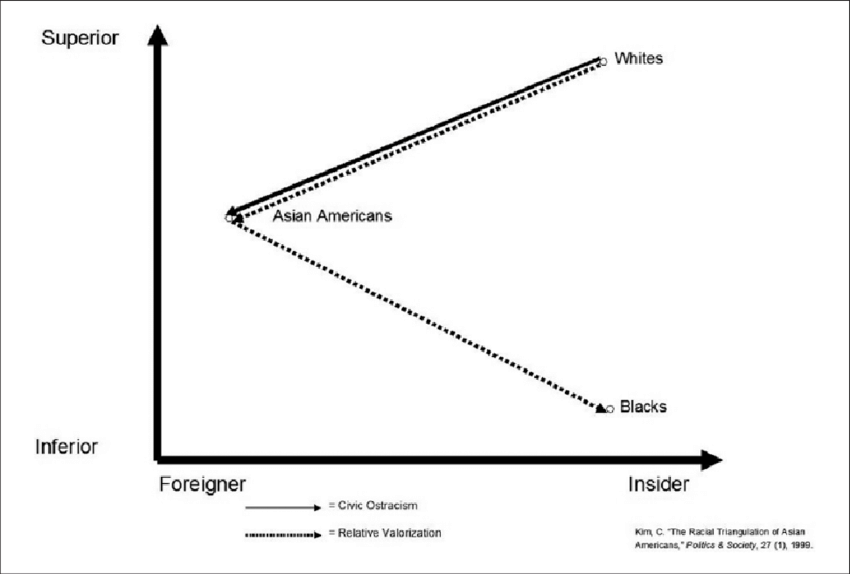
While Asian American/ Pacific Islander men are more likely to be middle and upper wage workers, there lies the ‘model minority myth’ which perpetuates narrative of Asian American children are whiz kids and as Asian Americans as ‘good’ immigrants. It is a myth that characterizes Asian Americans as a polite, law-abiding group who have achieved a higher level of success than the general population through some combination of innate talent and pull-yourselves-up-by-your-bootstraps immigrant striving. However, this characterization of Asian Americans leads to the Asian American Achievement paradox, where Asian Americans who fall outside of the ‘success frame’ feel like failures or racial outliers, and Racial Triangulation, where Asian Americans’ ‘model minority’ status is used to create a hierarchy placing them above Black people in terms of ‘superiority’, but as a ‘perpetual foreigner (Lee and Zhou 2015; Kim 1999)’.

Immigration status and language barriers additionally increase labor inequities (Immigration Research Initiative 2023). Undocumented workers experience a ‘hyper invisibility’ that makes them especially vulnerable to exploitation and modern slavery (Segarra and Prasad 2024). Language barriers, discrimination issues, and miscommunication were significantly correlated with the work productivity of foreign workers (Salleh et al. 2021).