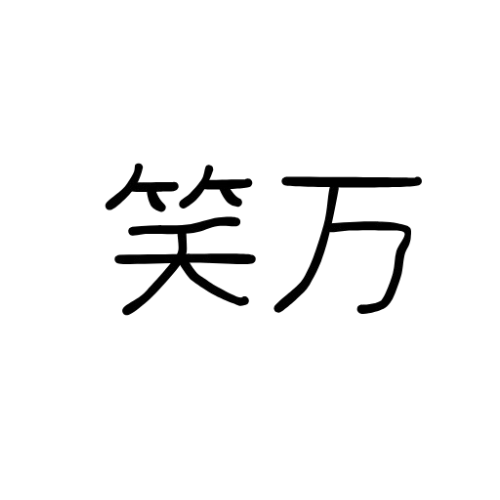
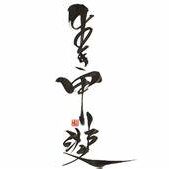
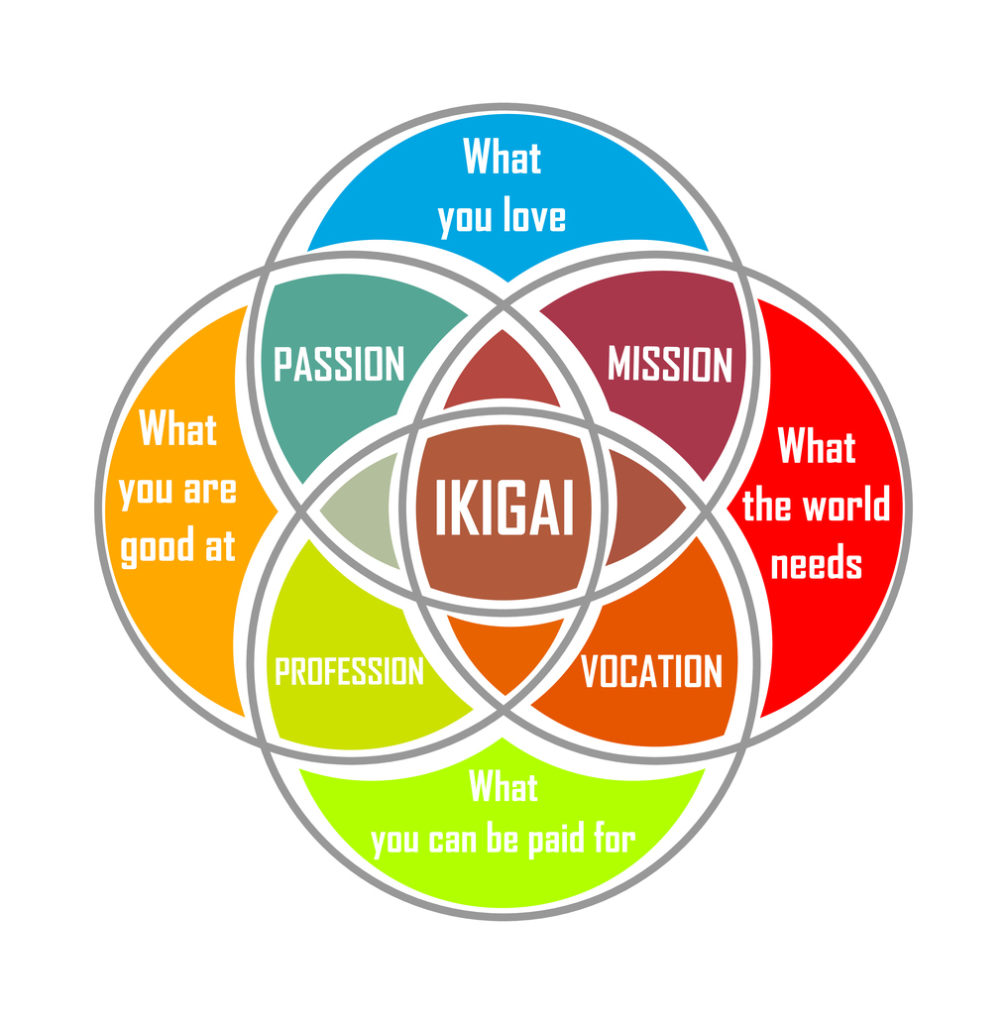
Ikigai is the Japanese concept of one’s ‘reason for being’. It is said to bring meaning to one’s life, and knowledge of one’s ikigai is meant to help craft a life of purpose. In the past twenty years, its popularity has expanded globally, and it has come to hold various meanings. Some definitions say that it is the overlap between personal passions and societal contribution, where what you love intersects with what the world needs, what you can be paid for, and what you’re good at. To me, ikigai is best understood through its kanji characters—iki, to live, and gai, value. It is where one gains value from life.
How humans derive meaningfulness from life is a question battled across disciplines. Professor of Philosophy, Robert M. Baird (1985) discusses three foundations in the creation or discovery of a meaningful life: the quality of one’s relationships, the integrative power of one’s goals and projects, and the role of story. Baird emphasizes that the role of the story or stories is to place life in a genuinely ultimate context. In their article, “Counting Blessings Versus Burdens: An Experimental Investigation of Gratitude and Subjective Well-Being in Daily Life”, Psychologists Robert A. Emmons and Michael E. McCullough (2003) focused on the emotional lens through which life is attributed meaning and found that a gratitude-grounded outlook on life can improve well-being. In considering these philosophical and psychological methods of making a meaningful life, there is a throughline of how life is framed.
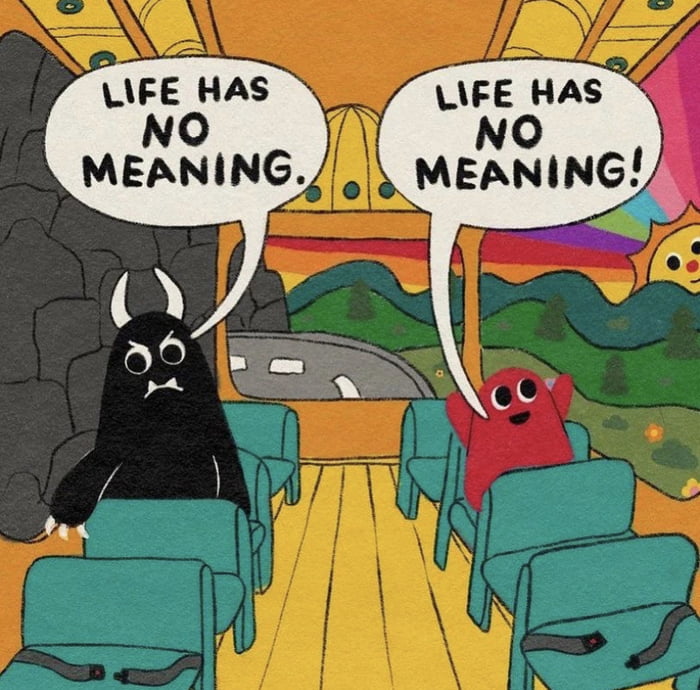

Marx posits his own idea of human’s purpose that is directly linked to labor. In Economic and Philosophic Manuscripts, Marx dissects his idea of gattungswesen— species-being, or directly translates “species essence”. Marx explains that humans are ‘species-beings’ because they “adopt the species as their object” (Marx 45), and it is through a conscious labor of “working over the objective world” that humans derive ‘species-life’. In the eyes of Marx, labor cultivates species-life is the pool from which humans nourish the essence of their humanity.
Viewing ikigai as both a framing method and a labor motivation, its power as a philosophy by which to understand an individual’s guiding purpose becomes crucial to understanding not only one’s work, but one’s self. Notably, there is a divide by which Japanese society understand ikigai. Some commentators explicitly define ikigai as jiko jitsugen, “self-realization” (Kobayashi 1989) while others (Niwano 1969) implicitly define ikigai as ittaikan: commitment to one’s group role. In interviews with 98 Japanese citizens, Gordon Mathews (1996) found that ikigai as itaikan and ikigai as jiko jitsugen are matters of the self’s individual commitment to its deepest matter. He found, additionally, that the attitude of “shikata ga nai” was prevalent when people described their ikigai and their ‘selves’. Shikata ga nai translates to ‘nothing I can do’, and Mathews describes this as where one is resigned to the context in which they are placed. He likens shigata ga nai to Bordieu’s habitus, and Mathews found that this attitude was significant in his conversations with Japanese on making meanings of their ikigai on of their selves.

Shikata ga nai or a resignation to circumstance necessitates an inspection of the broader society from which ikigai originates, as well as where I will trace its migration—the United States.
Next Chapter: A Brief Overview of Japanese Society